Unreal Multiplayer Mixed Reality
Multiplayer Mixed Reality Game Demo – Unreal Engine 5
In this video, I showcase a personal Mixed Reality (MR) multiplayer game project developed using Unreal Engine 5. The demo highlights advanced gameplay mechanics, including real-time interaction, object manipulation, and the seamless blending of virtual and physical environments.
A standout feature of this project is the implementation of Meta's Spatial Anchors, which are essential for maintaining the stability and precision of virtual objects within the MR space. These anchors enable consistent alignment and positioning, ensuring that virtual elements behave naturally as players move, aim, and interact with the environment.
Throughout the video, you'll see demonstrations of: multiplayer object spawning and interaction; weapon pickup and firing systems; and persistent spatial awareness using MR anchors. This project showcases my expertise in building immersive, multiplayer MR experiences, pushing the limits of interaction design and spatial computing.
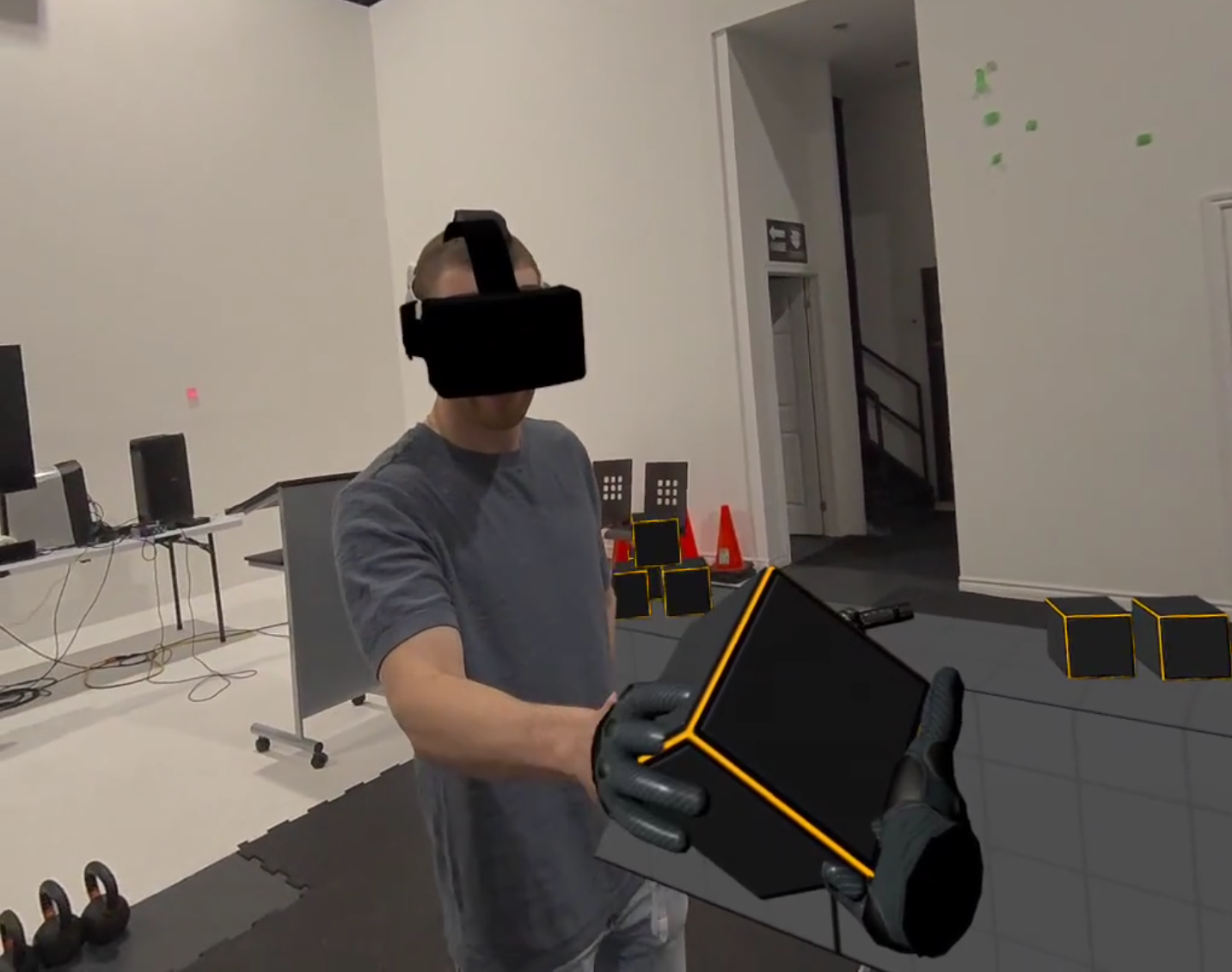
Person-to-Person Interaction: Object Passing in MR
This image captures a seamless person-to-person interaction within a Mixed Reality (MR) environment. One player passes a virtual box to another, who reaches out to take it in real-time. This moment showcases the system's ability to support precise and realistic object manipulation, where multiple players can physically interact with the same virtual object simultaneously.
The ability to pass objects between players emphasizes the immersive and intuitive nature of MR, while also demonstrating the project's advanced multiplayer functionality. This interaction creates a shared, physically responsive experience, pushing the boundaries of what's possible in real-time mixed reality gaming.
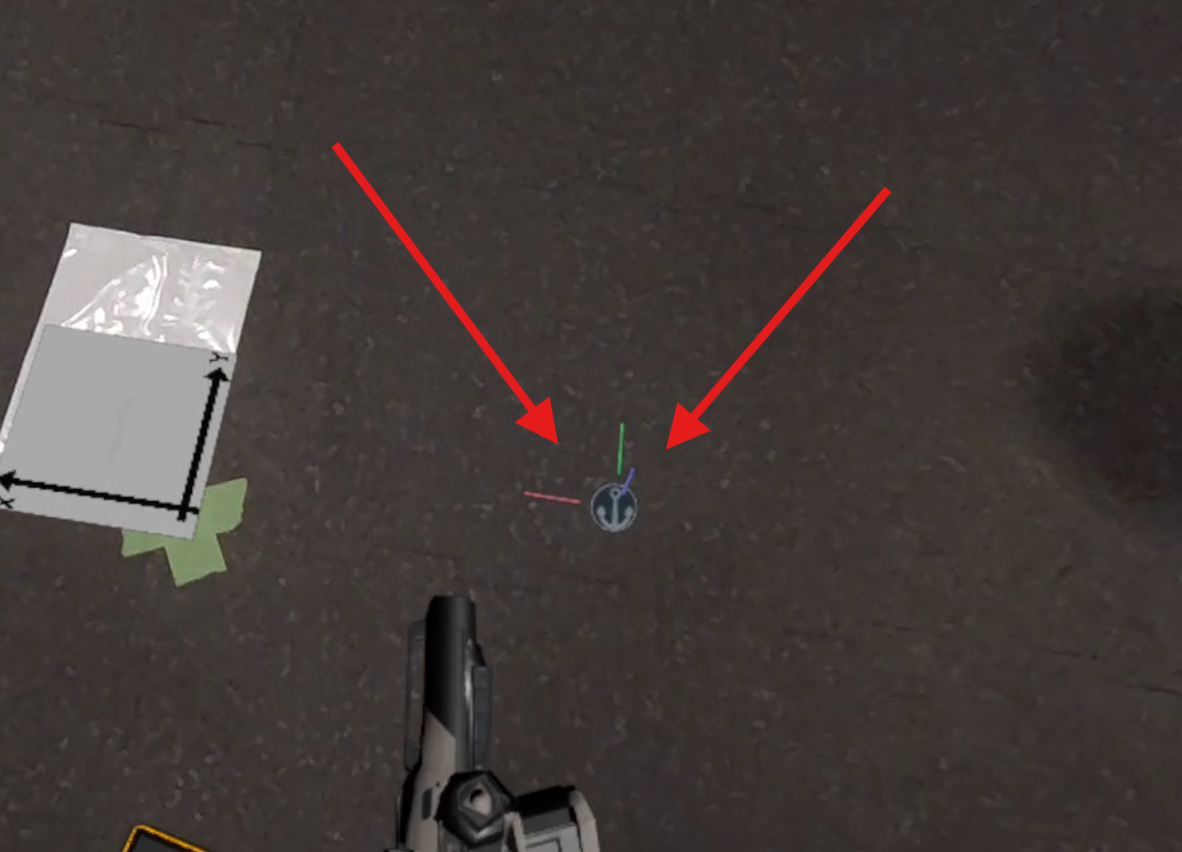
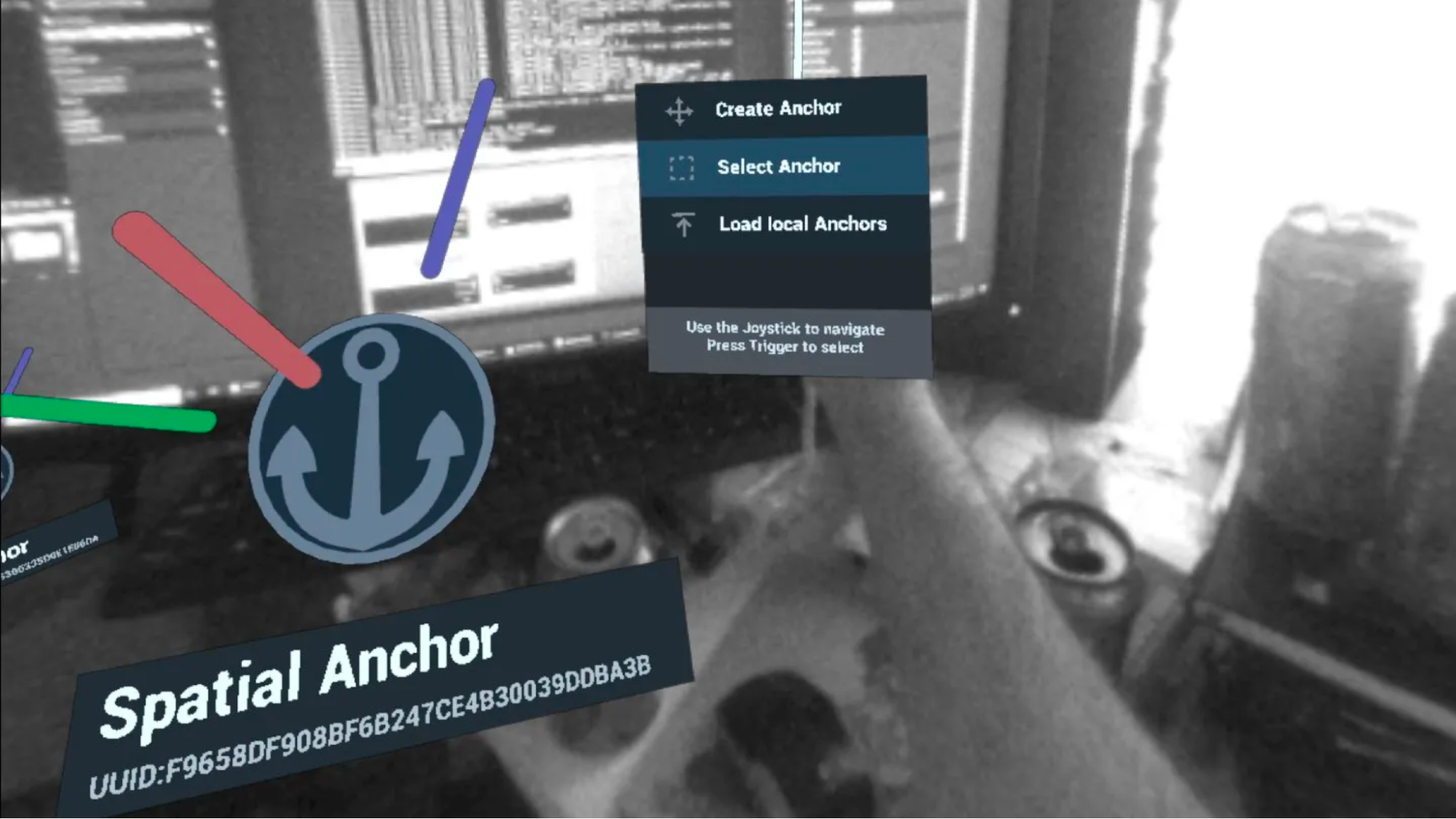
The Crucial Role of Spatial Anchors in Mixed Reality
Spatial anchors ensure that virtual objects remain precisely positioned and stable within the physical environment, even as players move throughout the space. This positional stability is crucial for delivering a consistent and immersive MR experience, enabling players to interact with virtual elements naturally and reliably.
By preventing drift and maintaining accurate alignment over time, spatial anchors play a vital role in creating a seamless and believable mixed reality environment where virtual interactions feel truly integrated with the real world.
For more details, see the Meta Unity Spatial Anchors Overview and the Unreal Shared Anchors Sample on GitHub .
Enhancing Realism with Body Occlusion in Mixed Reality
Body occlusion is essential for delivering a realistic and immersive Mixed Reality (MR) experience. It ensures that virtual objects are properly blocked or obscured by a player's physical body, preventing them from appearing in unnatural positions or overlapping with real-world elements.
This technique allows for more natural and believable interactions, where virtual objects behave as they would in physical space. By maintaining spatial consistency and visual realism, body occlusion plays a crucial role in preserving the integrity of the MR environment, making interactions between players and virtual content feel authentic and convincing.
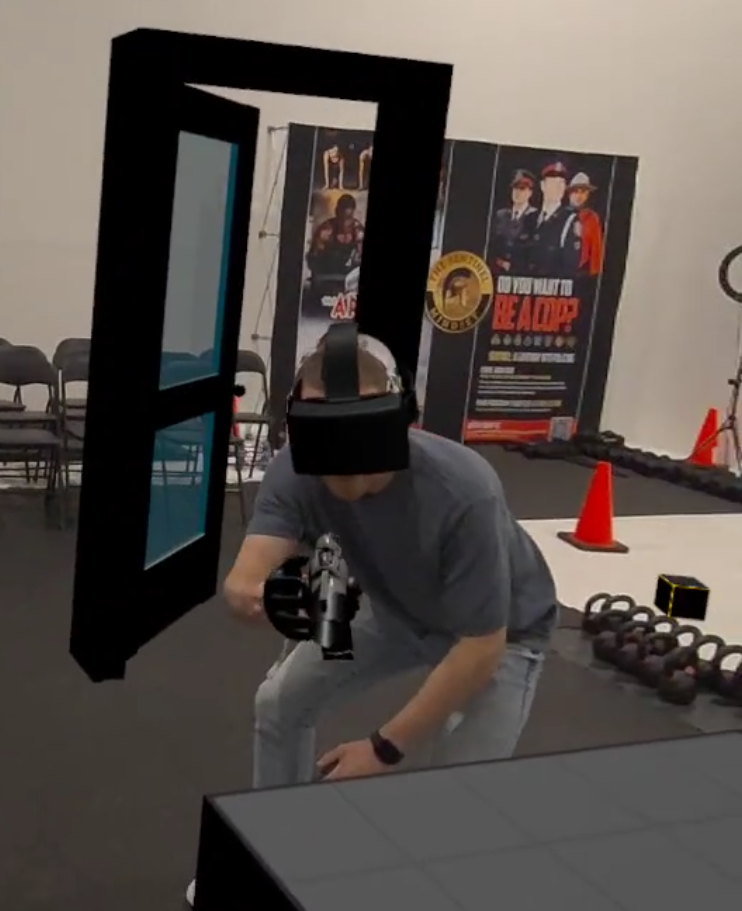
Dynamic Actor Spawning in Mixed Reality
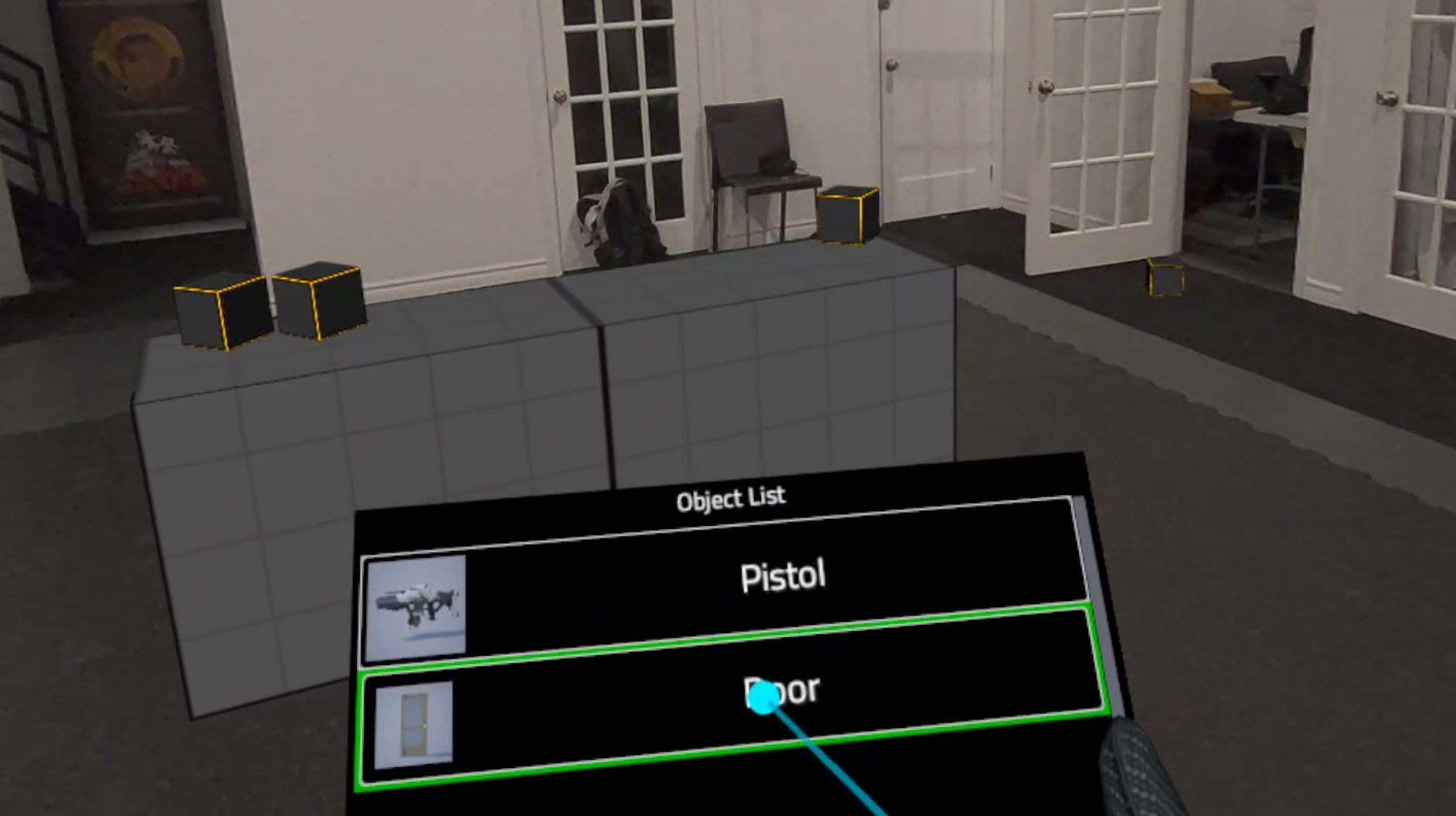
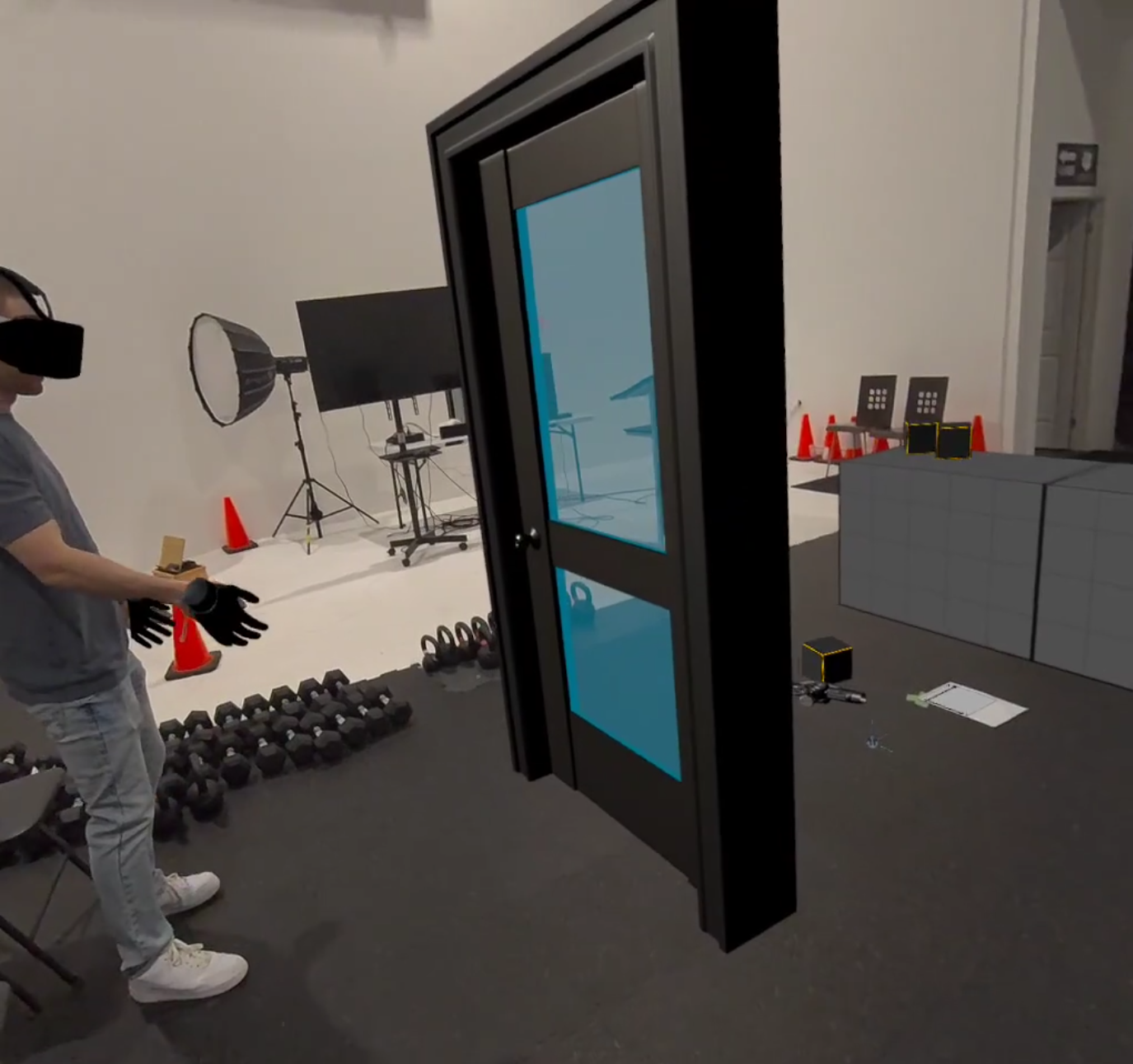
Actor spawning in Mixed Reality enables the dynamic creation of virtual objects within the physical environment. This functionality allows players to generate and interact with new elements in real-time, seamlessly integrating them into the existing MR space.
By supporting on-the-fly object placement and manipulation, actor spawning significantly enhances the adaptability and interactivity of the experience. It also facilitates complex multiplayer scenarios, where all participants can see and engage with the newly spawned objects, ensuring a consistent, shared MR environment that responds to player actions.